Art with a Purpose. Healing Through Giving.



Design Inspiration
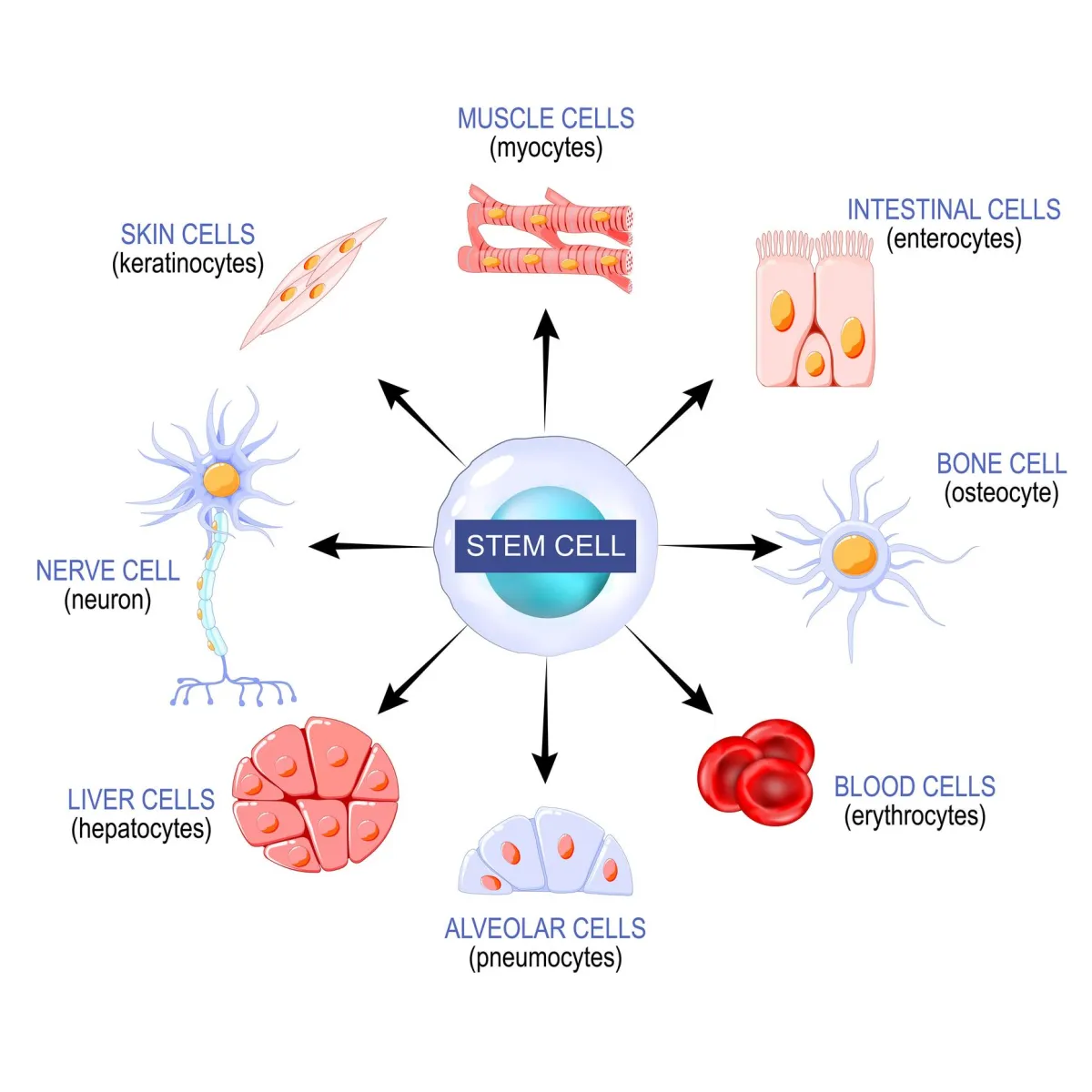
What Are Stem Cells?
Stem cells are often referred to as the body’s “building blocks,” and for a good reason. These extraordinary cells have the potential to develop into many different cell types in the body, serving as a kind of internal repair system. They can divide and renew themselves for long periods and are integral to the body's ability to heal and grow. But what exactly are stem cells, and why are they so important?
The Basics of Stem Cells
Stem cells are unique in their ability to develop into various types of cells in the body. Unlike regular cells, which have a specific role—like heart cells or brain cells—stem cells have the potential to turn into any type of cell. This makes them incredibly versatile and vital for both development and healing.
Stem cells are classified into several types, including:
Embryonic Stem Cells: These stem cells come from embryos that are three to five days old. At this stage, an embryo is called a blastocyst and consists of about 150 cells. Embryonic stem cells are pluripotent, meaning they can divide into more stem cells or become any type of cell in the body. Because of their versatility, they hold significant promise for regenerative medicine and the treatment of various diseases.
Adult Stem Cells: These stem cells are found in small numbers in most adult tissues, such as bone marrow or fat. Unlike embryonic stem cells, adult stem cells are limited in their ability to differentiate. They are typically multipotent, which means they can develop into a limited range of cell types related to their tissue of origin. For example, hematopoietic stem cells found in bone marrow can turn into red blood cells, white blood cells, or platelets.
Umbilical Cord Stem Cells: One of the most promising sources of stem cells comes from the umbilical cord blood of newborns. These cells are a type of adult stem cell, known as hematopoietic stem cells, which are similar to those found in bone marrow. However, the umbilical cord also contains another type of stem cell known as mesenchymal stem cells, which can develop into bone, cartilage, and other types of tissue.
Hematopoietic Stem Cells (HSCs): These stem cells can develop into all types of blood cells, including red blood cells, white blood cells, and platelets. Umbilical cord blood is particularly rich in HSCs, making it a valuable source for blood-related treatments, such as bone marrow transplants for leukemia and other blood disorders.
Mesenchymal Stem Cells (MSCs): Found in the Wharton's jelly (a gelatinous substance within the umbilical cord), these stem cells can differentiate into various cell types, including bone, cartilage, and fat cells. They hold great potential for regenerative medicine, particularly in treating conditions like osteoarthritis and cartilage injuries.

The Importance of Umbilical Cord Stem Cells
Stem cells from the umbilical cord are a focus of increasing medical interest because they are easy to collect, pose no risk to the donor, and are less likely to be rejected when transplanted. These cells have the potential to:
Treat blood-related conditions: Since umbilical cord blood is rich in hematopoietic stem cells, it can be used in bone marrow transplants to treat diseases such as leukemia, lymphoma, and other blood disorders.
Support regenerative medicine: Mesenchymal stem cells from the umbilical cord are being researched for their ability to repair damaged tissues, potentially offering new treatments for injuries, arthritis, and more.
Reduce risk of rejection: Stem cells from the umbilical cord are less likely to cause graft-versus-host disease, a common complication in transplants where the immune cells from the donor attack the recipient's tissues.
The Process of Collecting and Storing Umbilical Cord Stem Cells
Collecting stem cells from the umbilical cord is a straightforward and non-invasive process. After a baby is born and the umbilical cord is cut, the blood remaining in the cord is collected. This blood is then processed, and the stem cells are stored in a cord blood bank, either for public use or for the family’s private use.
Public cord blood banks store donated cord blood for anyone who might need it, while private cord blood banks store it exclusively for the family’s potential future use. The decision to bank umbilical cord blood is becoming more popular as the potential uses for these stem cells in medicine continue to expand.
Ethical Considerations
Umbilical cord stem cells avoid many of the ethical issues associated with embryonic stem cells, as they do not involve the destruction of an embryo. Because the collection process is harmless to both mother and baby, it is widely accepted as an ethical and beneficial practice.
The Future of Umbilical Cord Stem Cells
Research into the uses of umbilical cord stem cells is ongoing, and scientists are optimistic about their potential. As we learn more about how to harness the power of these cells, they could become a cornerstone of regenerative medicine, offering new treatments for a wide range of conditions.
Sources:
National Institutes of Health. (2022). Stem Cell Basics. Retrieved from NIH
Mayo Clinic. (2023). Stem cells: What they are and what they do. Retrieved from Mayo Clinic
Harvard Stem Cell Institute. (2023). What Are Stem Cells? Retrieved from Harvard Stem Cell Institute
American Red Cross. (2023). Umbilical Cord Blood: What It Is, How It's Used, and Why It Matters. Retrieved from American Red Cross

Design Your Dream Space Today!
Transform your space into a stylish, functional sanctuary with our expert design services
Transform Any Room into a Masterpiece!
Transform your space into a stylish, functional sanctuary with our expert design services
Elevate Your Home's Style
For a Good Cause
Each piece in the Miracle Hope Foundation Gallery carries a deeper purpose. Generous artists donate their work so your purchase helps fund regenerative treatments for veterans and first responders. What you place on your wall helps restore health, reduce pain, and give our heroes a real path forward.
Frequently Asked Questions
How does the Miracle Hope Foundation Gallery support veterans and first responders?
Artists donate original works of art to the gallery. When you purchase a piece, proceeds fund partial scholarships for regenerative treatments that address chronic pain, injury, and cancer. Your investment in art directly supports healing for our heroes.
Where does the money from each sale go?
Funds raised through the gallery help fund the scholarships for advanced regenerative therapies, diagnostic testing, and supportive care. The goal is clear. Remove financial barriers and give veterans and first responders access to life changing treatment.
Are the artworks original and donated by the artists?
Yes. Every piece in the gallery is an original work donated by the artist in support of Miracle Hope Foundation’s mission. Each artist chooses to give their talent to help fund healing for those who served our communities and our country.
How else can I support the gallery and the mission?
You can purchase artwork, share the gallery with friends and family, introduce us to artists who want to donate their work, or make a direct contribution at miraclehopefoundation.org. Every action expands access to healing and brings hope to a hero in need.
For your convenience, we accept all major credit cards (Visa, MasterCard, American Express, Discover) and PayPal for secure online payments. All transactions on our website are encrypted and secure to protect your personal information.
We accept major credit cards, PayPal, and financing options at checkout to make your purchase easy and secure.
Follow Us on Social Media



© Copyright 2026. Miracle Hope Foundation. All Rights Reserved.